
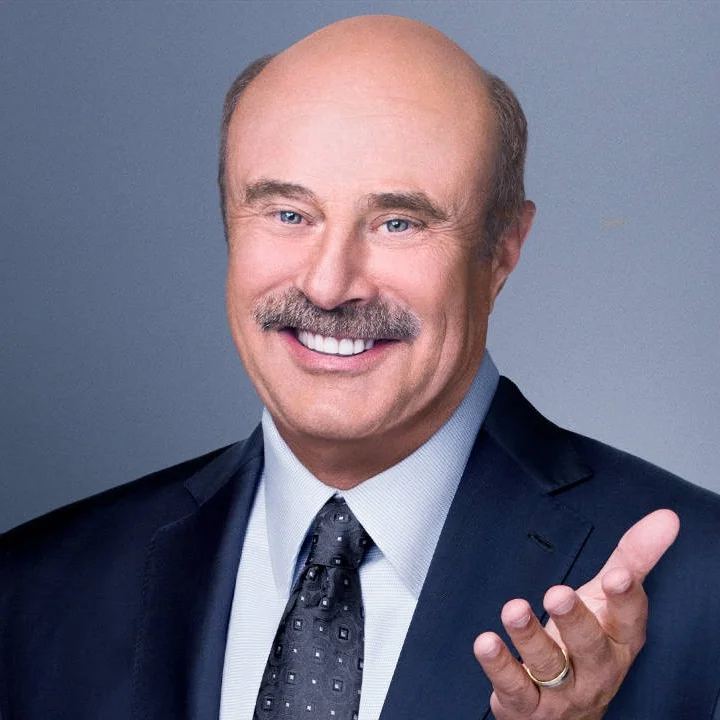
KWR Celebrity: Dr. Phil McGraw
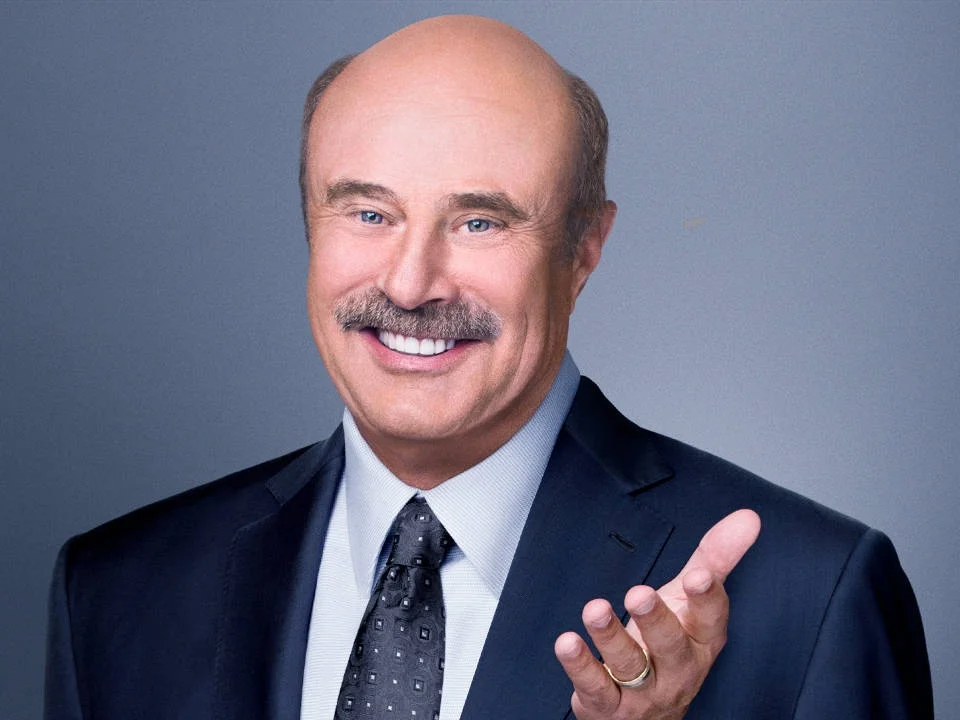
Dr. Phil, is an American television personality, author, psychologist, and the host of the television show Dr. Phil. Dr. Phil first gained celebrity status with appearances on The Oprah Winfrey Show. He is also the author of several best-selling self-help books.
We have profiled Dr. Phil as a KWR because of his academic achievements, entrepreneurial ventures, and massively popular television show.
First, the KWR enjoys academic achievement. Dr. Phil has a Bachelor of Arts in psychology, a Master of Arts in experimental psychology, and a Doctorate of Philosophy in clinical psychology.
More than just an education however, the KWR also understands how to apply knowledge for precise analysis and validation. One of Dr. Phil’s first ventures was a company called Courtroom Sciences. The venture helped trial lawyers build cases using psychology by conducting mock trials, behavioral analysis, jury selection and mediation. In fact, through Courtroom Sciences, Dr. Phil met Oprah Winfrey by helping her defense in a lawsuit. Dr. Phil then regularly appeared on the Oprah Winfrey Show which would launch a show of his very own.
Finally, one of the most common qualities of the KWR is a sense of humour, and unimposing approach when helping others. The KWR prefers to present rational options and help guide the individual to taking responsibility. Dr. Phil is known for being plain-spoken providing common sense advice rather than complicated self-help jargon. People regularly remark that even though he is a psychologist, Dr. Phil is comfortable to listen to—especially by men. This is truly the KWR in action.
One thing we have noticed though is that Dr. Phil tends to have a little more of a blunt and tough demeanor compared to other KWR’s we have observed. With a catchphrase, “Get real,” we attribute this to a DLF (Dominion Leadership & Freedom) secondary MDNA.
Here are some quotes from Dr. Phil that demonstrate the knowledgeable wisdom and responsibility of being a KWR:
“When you choose your behaviour, you choose your consequences.”
“If you learn something from having been taken advantage by someone, it becomes tuition. If you don’t, it’s a penalty. If you learned something, look at it as an education.”
Please note that these are unofficial profiles only and have not been verified. Description is only based upon public information and may represent either primary or secondary MDNA profiles. This profile is intended for educational purposes only to demonstrate the possibilities of MDNA for those that have been personally assessed.
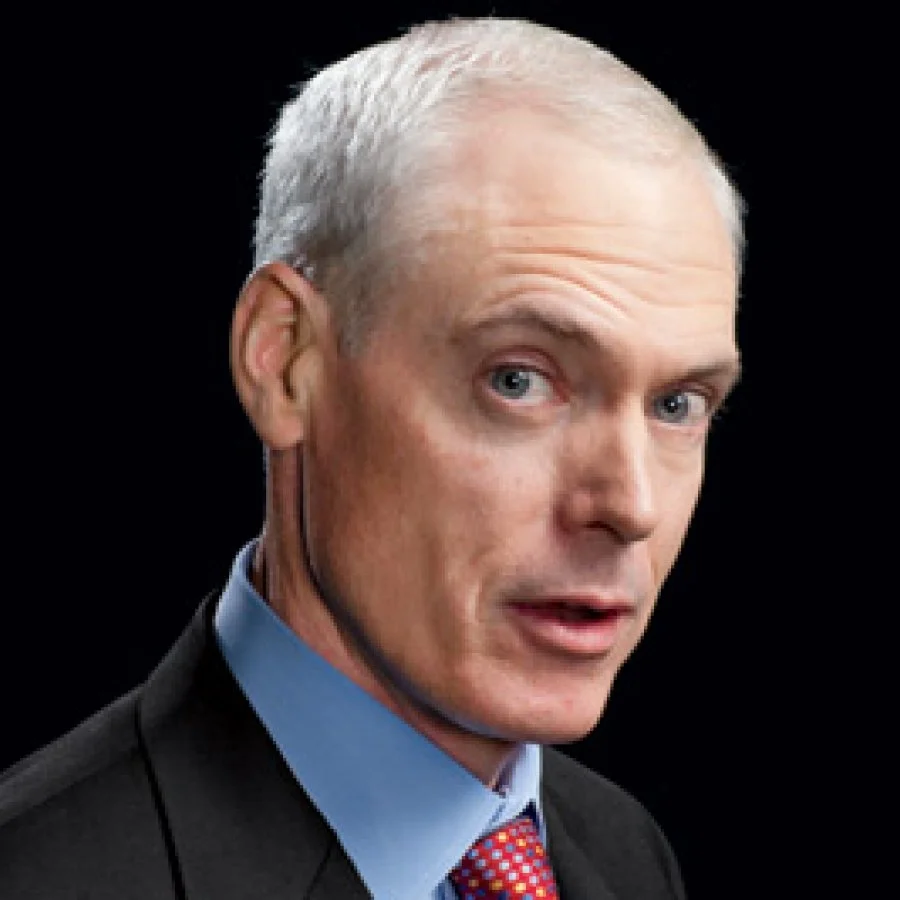
KWR Celebrity: Jim Collins (Good to Great)

The KWR’s core competence is “Perfecting Precision.” In other words, the KWR knows how to help you go from good to great. The KWR has the ability to take information and help process it with precision. In fact, the book argues that the main factor for achieving greatness is the narrowing and focusing of a company’s resources on their field of competence.
(As individuals, should we not do the same? What if we focused our resources into a field of competence, or even better, synchronizing our purpose, passions and potential? That’s what MDNA is all about! But I digress.)
To write Good to Great, Collins used a large team of researchers who studied 6,000 articles, generated more than 2,000 pages of interview transcripts and created 384 megabytes of computer data in a five-year project. This is KWR at its finest. Collins was a true data scientist before big data and the profession became popular. He was ahead of his time.
Although written in 2001, and many of the companies featured in the book are arguably not so great any more, the principles remain true. These are the principles of the KWR that we can all learn. Mainly the principle of responsibility.
Collins began his research and teaching career at Stanford University’s Graduate School of Business. He received the Distinguished Teaching Award. He now runs a management laboratory in Colorado, where he conducts research and teaches executives from corporate and social sectors. You will find him regularly helping leaders understand what it means to be responsible to an organization and society as a whole.
KWRs are commonly found teaching. Not that they are only limited to being teachers (just as other MDNA gifts can be very accomplished teachers as well). But the KWR can, and is designed to, teach responsibility like no other. We must all learn what we are responsible for, past, present and especially the future. This responsibility is holistic and not just limited to academic achievements. This is also why the immature KWR can struggle with “selective responsibility,” which is when one feels they do not have to be responsible as a whole because of achievement and mastery in certain areas. For example, just because one boasts accolades in a profession, it does not mean we are exempt from achieving the same in family life such as marriage or parenting. Or, just because one is intellectually accomplished, it does not mean we are to ignore our physical health or emotionally connecting with others. (These are real world examples from KWRs we know.)
Looking into the life of Collins, we can see that he most likely activate the principle of responsibility during his time at Hewlett-Packard. HP is a KWR company with the Brand Culture of Perfecting Precision. Collins and HP are like two peas in a pod.
Here is a wonderful article of Collins teaching on responsibility through the lens of HP.
If you get an opportunity, allow a KWR to help you go from good to great with perfecting precision. Check out the book and keep the KWR in mind.
I’ll leave you with my favorite quote from Collins. It is something to ponder for sure:
Good is the enemy of great. And that is one of the reasons that we have so little that becomes great. We don’t have great schools, principally because we have good schools. We don’t have great government, principally because we have good government. Few people attain great lives, precisely because it is easy to settle for a good life. The vast majority of companies never become great precisely because they become quite good—and that is their main problem.
Please note that these are unofficial profiles only and have not been verified. Description is only based upon public information and may represent either primary or secondary MDNA profiles. This profile is intended for educational purposes only to demonstrate the possibilities of MDNA for those that have been personally assessed.
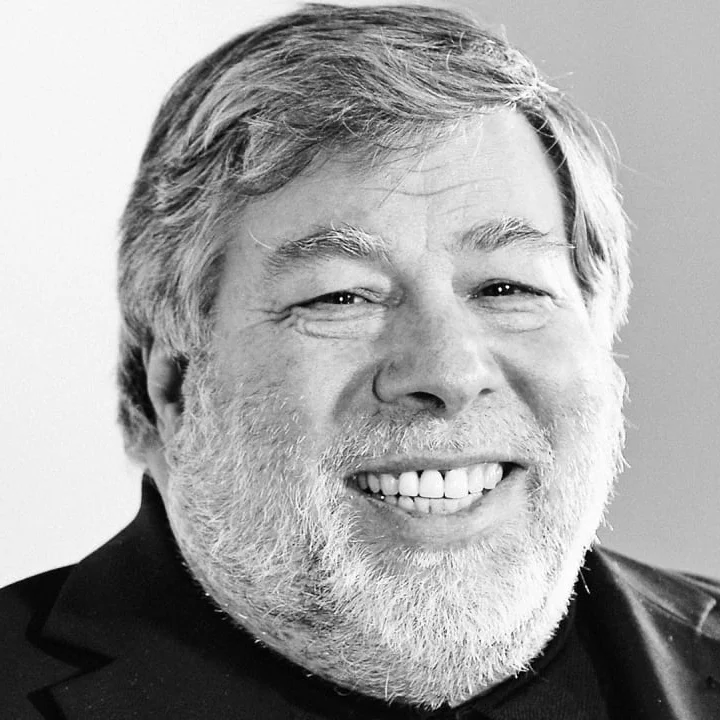
KWR Celebrity: Steve Wozniak
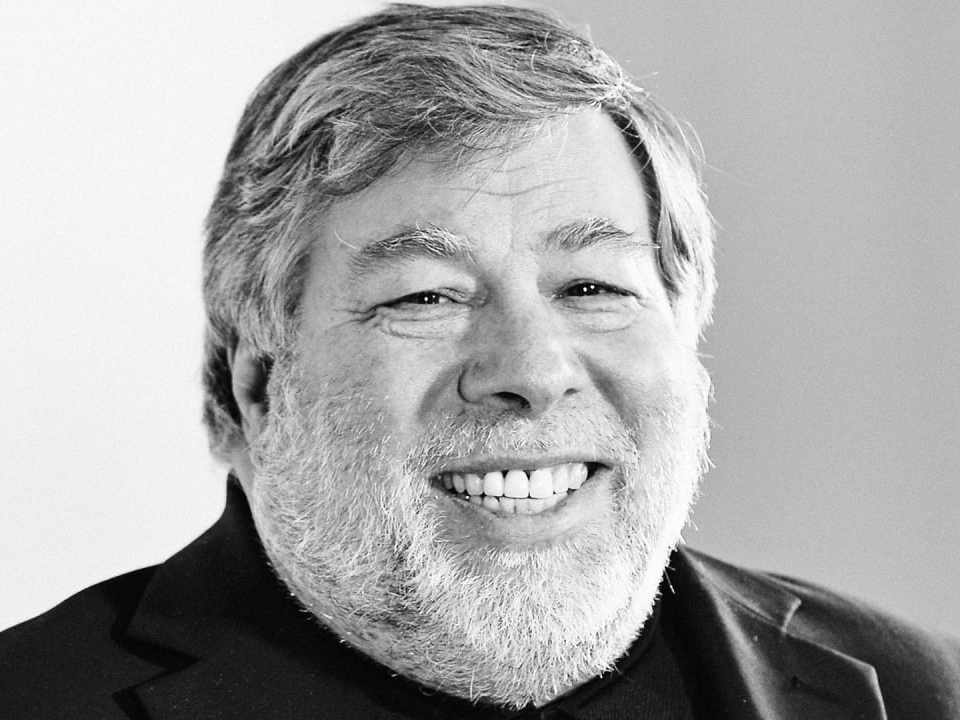
Steve Wozniak knew he could learn how to make circuit boards better. That’s where this KWR story starts.
Even back in high school I knew I could design computers with half as many chips as the companies were selling them with. I taught myself, but I had taught myself in a way that forced me to learn all sorts of trickiness.
My whole life was basically trying to optimize things. You don’t just save parts, but every time you save parts you save on complexity and reliability, the amount of time it takes to understand something. And how good you can build it without errors and bugs and flaws.
The KWR is also very precise in their communication. They don’t like to use second hand information or anecdotes. They learn and validate knowledge to a high level of precision. The way that Wozniak’s recounts how he designed circuit boards shows this. It’s almost dizzying the level of technical detail. Here is a taste:
The dynamic RAMs were going to be 1/4 the price. The dynamic RAMs meant that instead of 32 chips to have enough memory for a computer to have a language, you only needed 8 chips of RAMs. But dynamic RAM needs all this circuitry to get into every single address in the RAM every 2000th of a second, read what was there and write it back, or it forgets it. Dynamic RAM (this is what we have in our computers today) will forget every single bit in a 2000th of a second unless something reads it and writes it back the way it was to hold its state. It’s like little electrons stored on a plate and they’ll leak off in a 2000th of a second.
Apple became known for its simple design. While Steve Jobs championed a vision of design, it was Steve Wozniak that applied the KWR gift to perfection and precision.
In my minimalist approach, I made the wires the shortest, straightest, thinnest wires possible, instead of having these big old looped up hairy messes of wire wrap type stuff. So I did all that and I was also the technician. I would test things out and look for the voltages first and apply it carefully and look for signals and analyze what was wrong and fix the bugs and resolder and come up with new ideas and add some chips in. I was the technician and everything, for all of the Apple projects I ever did.
The KWR will demand excellence and be very disciplined and diligent about it when perfecting precision. When asked about what makes an excellent engineer, Woz’s reply is:
You have to be very diligent. You have to check every little detail. You have to be so careful that you haven’t left something out. You have to think harder and deeper than you normally would. It’s hard with today’s large, huge programs.
The KWR, when operating in full maturity and synchronization, also advocates for social responsibility. When asked to give advice to people thinking about starting their own company, this is a classic KWR response:
First of all, try to have the highest of ethics and to be open and truthful about things, not hiding. If you have to hide something for company reasons, at least explain what you’re doing. Don’t mislead people. Know in your heart that you are a good person with good goals because that will carry over to your own self-confidence and your belief in your engineering abilities. Always seek excellence: make your product better than the average person would.
The KWR is very unimposing. They don’t believe in ramrodding solutions or their leadership. It’s not that they are passive, but typically the KWR simply wants to focus on where they feel the most comfortable.
In business and politics, I wasn’t going to be a real strong participant. I wasn’t going to tell other people how to do things. I wasn’t going to run things ever in my life. I was a non-political person and I was a very non-forceful person. It dated back to a lot of things that happened during the Vietnam War. But I just couldn’t run a company. But then one person said I could be an engineer. That was all I needed to know, that “Okay, I’ll start this company and I’ll just be an engineer.” To this day, I’m still on the org chart, on the bottom of the org chart—never once been anything but an engineer who works.
Now Woz was willing to stand up for what he believed for. In the case of Steve Jobs, there are many accounts of the one real argument they had about the number of slots in the first Apple computers. Jobs wanted less. Woz would not back down. Jobs had no choice. In the end, the right decision was made. The product was better for it.
Woz is why Apple was able to “think” in the “Think Different” brand slogan. Jobs brought the “different” but the KWR helps the organization truly think. Woz also championed Apple’s long history of supporting education. This is also why Woz “secretly” taught school for eight years. He believes in academically developing young minds which if a gift that many KWRs bring to the world.
It’s easy to see Apple only through the celebrity of Steve Jobs. But without the other Steve, Steve Wozniak, we wouldn’t have the Apple we know today. Here’s to celebrating the KWR!
Please note that these are unofficial profiles only and have not been verified. Description is only based upon public information and may represent either primary or secondary MDNA profiles. This profile is intended for educational purposes only to demonstrate the possibilities of MDNA for those that have been personally assessed.
SSA/KWR: Angela Lee Duckworth
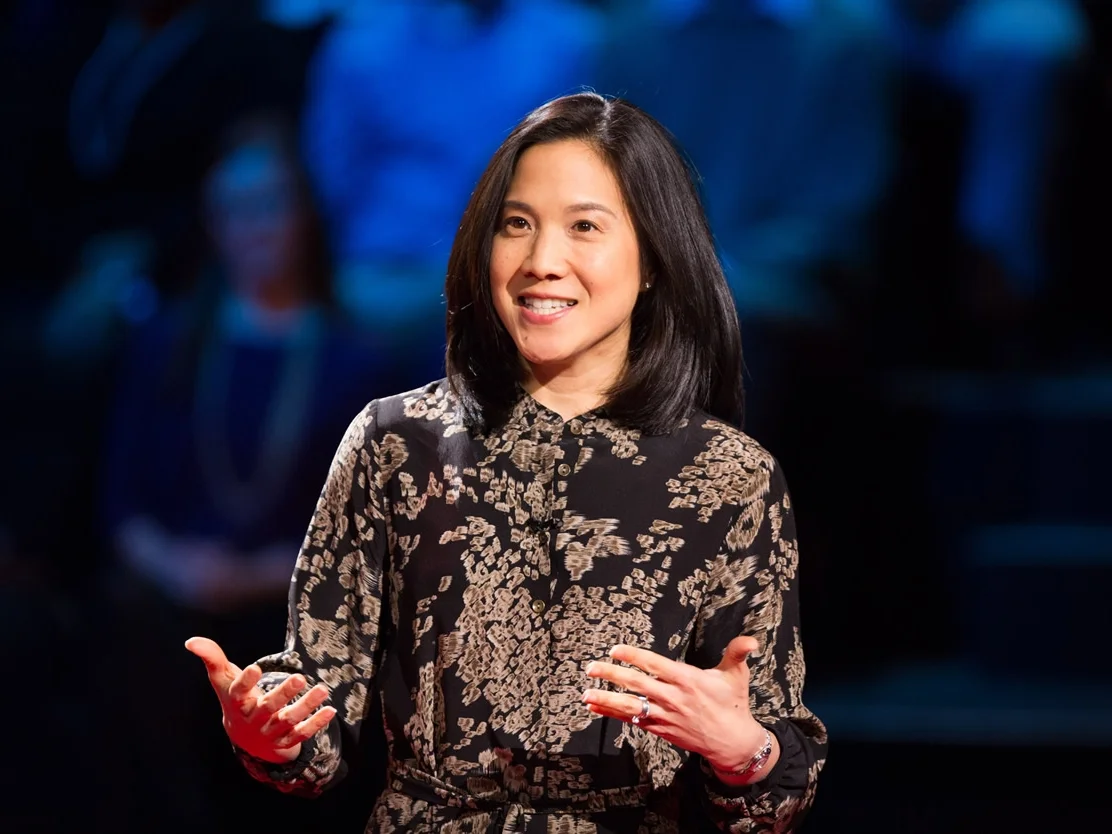
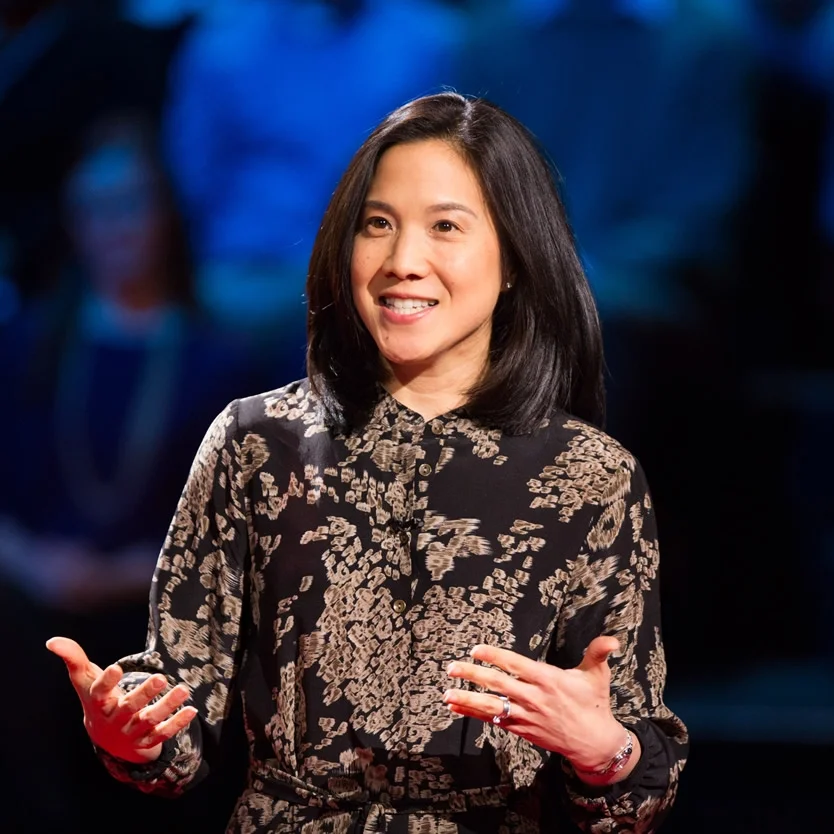
I am tickled pink to do this MDNA profile for two reasons. First, I love this TED talk. Second, Angela Lee Duckworth, MacArthur Foundation “genius” award winner and research psychologist is a true SSA (Sacrificial Service & Authority).
If you do nothing else, watch Duckworth’s TED talk on grit and the key to success. At the MDNA Institute, we talk a lot about grit and resilience. This is the talk that got us started.
At first, Duckworth may appear to be a KWR (Knowledgeable Wisdom and Responsibility) because of her involvement in research and academics. And most likely, she is a secondary KWR because of her profession. But upon closer examination, especially her youth and now growing influence, you will see she is a very special SSA.
The SSA lives to build a platform of success under people. In Duckworth’s case it is children, particularly vulnerable children. The SSA’s core competence is Leadership Platforms. Duckworth’s research is challenging the world on how we develop success in the education system through grit and self-control. She is also known for helping her own undergrad student become leaders in their own rights by helping them publish and challenging everybody who works with her to achieve a high degree of achievement.
Her childhood and youth also gives us clues to being an SSA. She was constantly volunteering, even to the point of being detrimental to her own health. She was always willing to sacrifice and serve others. Her energy is unending, which is also another SSA trait.
In developing a leadership platform, the SSA must also understand that pain and stress are keys to personal development. An SSA can fall into the trap of enabling others by taking filling needs before others can do it themselves and grow through the challenge. Not Duckworth. She and her husband have a instituted something called the “Hard Thing Rule.” Everyone in the family must choose and be doing one hard thing.
As Duckworth puts it:
“I believe kids should choose what they want to do, because it’s their life, but they have to choose something, and they can’t quit in the middle unless there’s a really good reason. There are going to be peaks and valleys. You don’t want to let kids quit during a valley.”
Beyond all of the above, one of the most telling traits of the SSA, is their authority as leaders themselves–even though they abhor the social spotlight. This is Duckworth to a tee. She prefers to stay in the background, literally disdains the attention and is described as a “reluctant star.” When an SSA has achieved professional success and personal fulfillment, they are granted great degrees of authority because they would never use this influence and power for themselves (think Mother Teresa).
Duckworth known as an “Academic who is a CEO.” A quintessential SSA/KWR if I ever did see one.
Consider me a fan of Duckworth and any other SSA willing to sacrifice, serve and use their authority to selflessly help others succeed.
For the full picture of Angela Lee Duckworth as an SSA/KWR, read it here >
Please note that these are unofficial profiles only and have not been verified. Description is only based upon public information and may represent either primary or secondary MDNA gifts. This profile is intended for educational purposes only to demonstrate the possibilities of MDNA for those that have been personally assessed.
UCD/KWR Celebrity: Dr. House and Sherlock Holmes
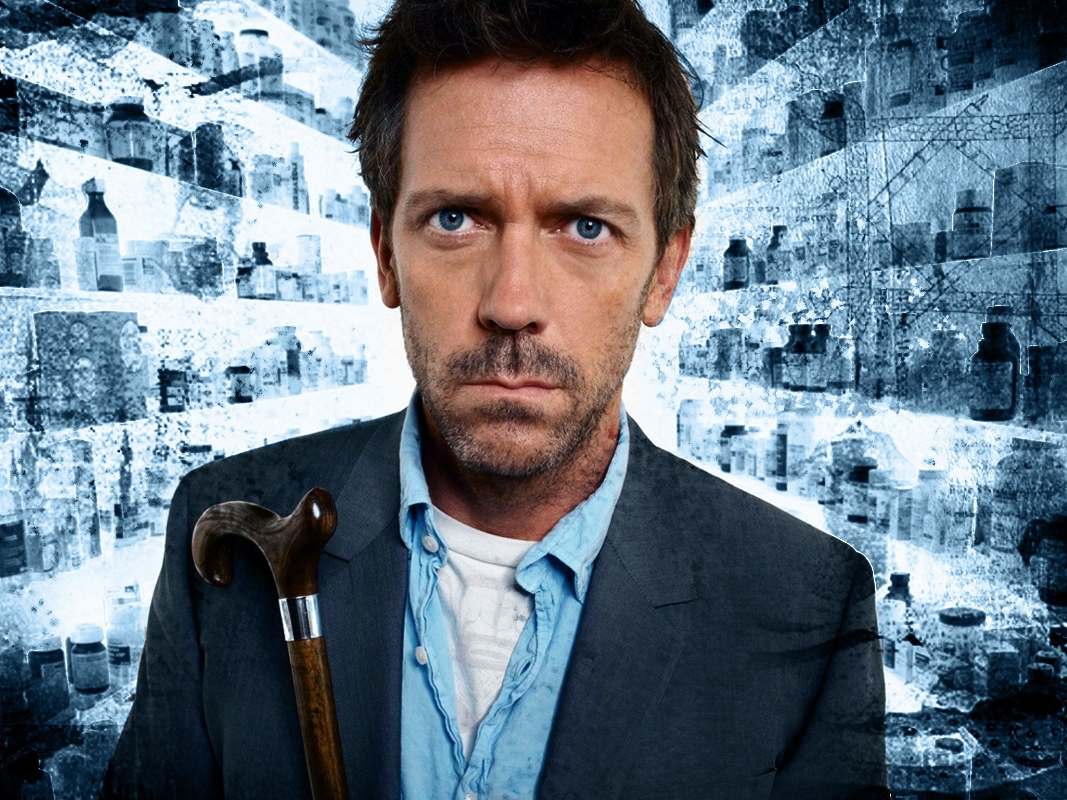
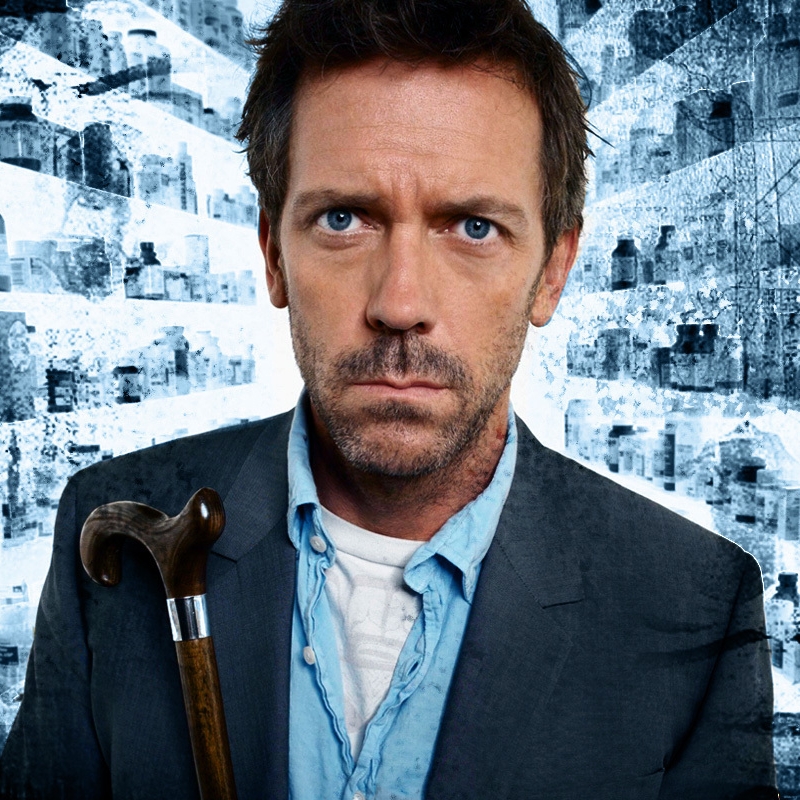
Gregory House, M.D. — typically referred to simply as House — is the title character of the American medical drama House. Portrayed by British actor Hugh Laurie, in the television series, House leads a team of diagnosticians as the Head of Diagnostic Medicine at a teaching hospital. House’s character has been described as a misanthrope, cynic, narcissist, and curmudgeon.
Sherlock Holmes is a fictional detective created by Scottish author Sir Arthur Conan Doyle. A London-based “consulting detective” whose abilities border on the fantastic, Holmes is famous for his astute logical reasoning, his ability to adopt almost any disguise, and his use of forensic science skills to solve difficult cases. In 2009, Sherlock Holmes was portrayed by Robert Downy Jr. in the movie Sherlock Holmes directed by Guy Ritchie.
We have combined both House and Holmes for this MDNA celebrity profile because in essence, they are the same character. In fact, House creator David Shore was a fan of Sherlock Holmes and the name House is a play on the name “Holmes” via its phonetic similarity to the word “homes.”
Being fans of both the television show House and the movie Sherlock, we have profiled both House and Holmes as UCD/KWR. Each character represents a fascinating study on both the potential strengths and weaknesses of their MDNA Profiles.
It’s easy to mistake both with KWR as primary MDNA Profiles based upon their personalities portrayed by the talents of Hugh Laurie and Robert Downey Jr. Both are highly analytical, precise and have an absolute obsession for being right. They both use information to manipulate and gain power. They also each possess the trait of selective responsibility that is common to the KWR profile. The trap of selective responsibility comes from believing that being accomplished in one area, such as career or academic achievement, gives one the right to be irresponsible in other areas, such as family relationships or personal habits. For the sake of entertainment, both House and Holmes take this to whole new, and very dysfunctional levels. One example of this is their habitual drug use.
However, upon closer examination, one can clearly see that each character’s strengths align with the UCD making it their primary profiles. KWR is therefore the secondary profile “personality,” representing how they deliver the UCD “promise.”
The first clear sign of the UCD is both characters have the ability to solve problems and find hidden solutions amidst chaos. For House, it’s solving medical cases when traditional medical approaches fail. For Holmes, it’s solving mysteries when every lead seems like a dead end. The UCD is known for the ability to go from nothing to something—from darkness to light. This is what House and Holmes are famous for.
The next sign of the UCD is how both House and Holmes will break relationships over ideologies and personal convictions. Both characters have no problems resorting to unorthodox methods to solve a case—even at the emotional expense of the people around them. House was always at odds with his team and superiors. Holmes drove Dr. Watson to the brink of abandoning him. Both are blunt, cranky and opinionated about everything—especially in pointing out the ulterior motivations and character liabilities of anyone. These are all very common traits of how the UCD profile can drive everybody nuts, and then away.
Even though the UCD/KWR characterization is highly exaggerated in both characters, studying them can help us understand how to understand those in the real world with the same MDNA. When locked in on solving a problem, the UCD’s capacity to simply ignore relationships, and the KWR’s selective responsibility, can be quite challenging. But sometimes it’s simply the price we must pay for the solution everybody needs. Be patient. The results are always worth it.
Fictional characters also can have MDNA profiles. Typically every great character is based upon somebody in real life, except the persona and core traits are amplified. This makes learning the principles of their MDNA profile much easier and a valuable exercise. Not to mention it can be fun and entertaining.
Please note that these are unofficial profiles only and have not been verified. Description is only based upon public information and may represent either primary or secondary MDNA profiles. This profile is intended for educational purposes only to demonstrate the possibilities of MDNA for those that have been personally assessed.
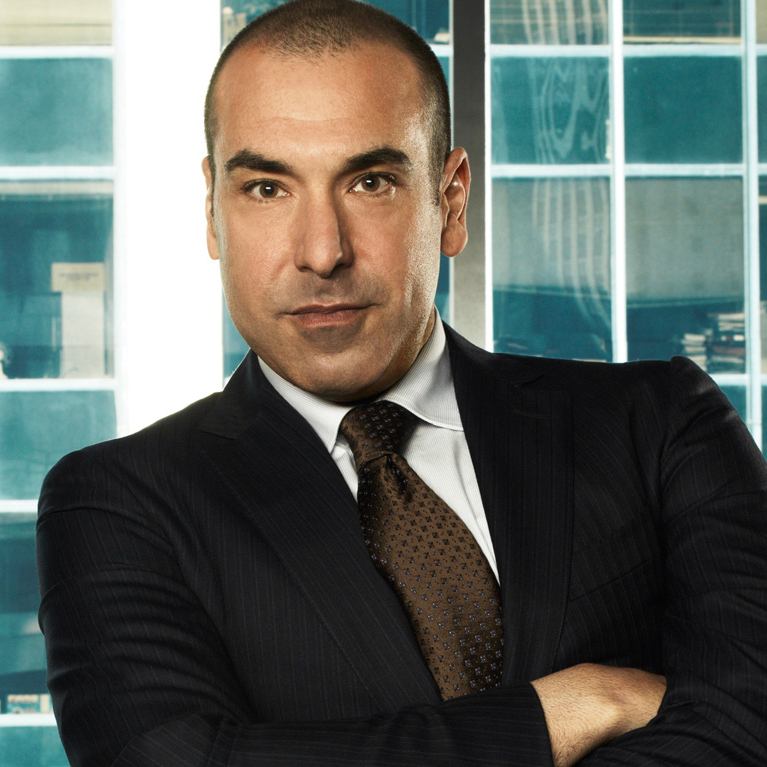
KWR/DLF Celebrity: Louis Litt (Suits)
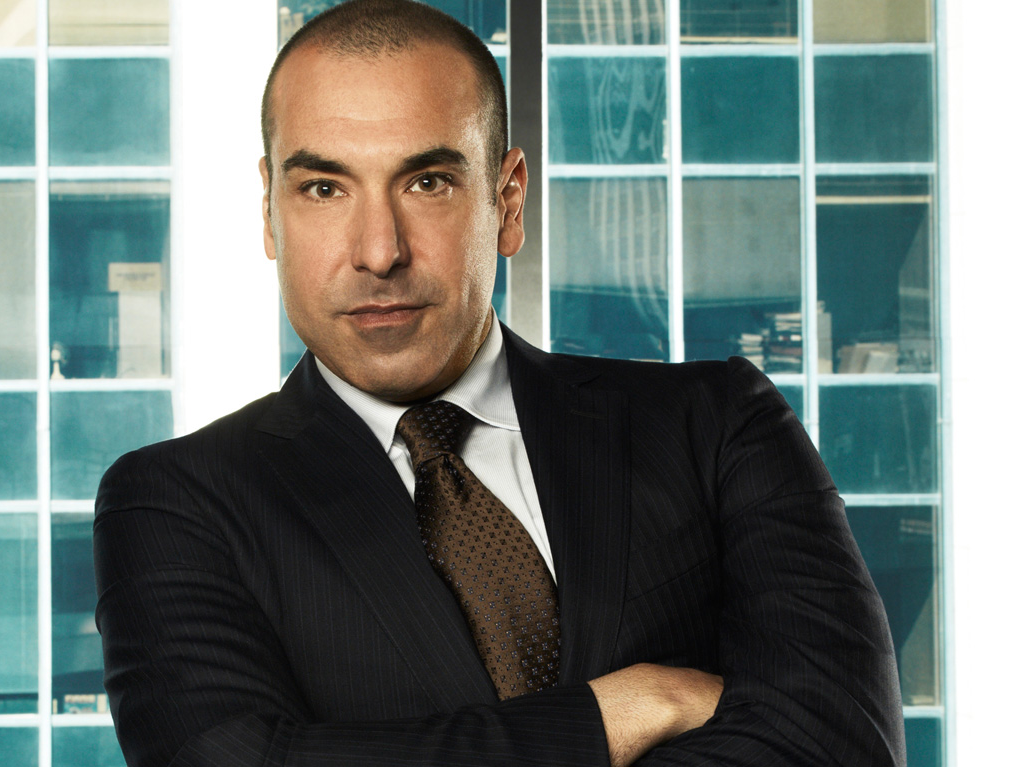
Louis Litt is one of the reasons why Suits is so awesome. He is crazy, hilarious, antagonizing, infuriating and wonderful all at the same time. He is a great example of the KWR when it comes to a professional field like practicing law.
Louis Litt is a total nerd. He is a subject matter expert in the law, theater and ballet. KWRs love having all the knowledge of specific subjects and appreciate tradition. As a KWR, Louis also excels when it comes academic achievement. He is very proud of coming from Harvard which is also a KWR organization in its social DNA and Brand Culture. And just like a KWR, he is very precise with information while being very, very quirky (just watch him dictate into his personal recorder and you will see why).
One of the quirks that can stunt a KWR is the necessity to be right. That is Louis. This gets him in trouble all the time.
Now Louis loves the law. This is very KWR. But the KWR can be legalistic which is also part of Louis' dysfunctional patterns. If people aren't doing things to the letter of the law, he gets pretty upset. Yet, this makes him a master at the law and a masterful lawyer, especially when it comes to forensic legal analysis.
KWRs can also struggle with selective responsibility. Louis is constantly being challenged to take responsibility for his actions and the team. This is why those around him hold up a mirror to his actions so he can take responsibility.
What makes Louis so interesting is how insecure he is. This is why he has developed a DLF secondary.
DLF (Dominion Leadership & Freedom)
The DLF can be an institutional leader. When disengaged and dysfunctional, the DLF needs to have a title and the power that comes with it. Louis covers his insecurities by seeking power. Which is why, for several seasons, he always made power plays to become a named partner at the firm. In the most recent episode, he even makes a play to become managing partner and is rebuked. Later he admits that, just like in The Lord of the Rings, the institutional power would have corrupted him.
The DLF in Louis however, makes him a good leader. Sure, he is a cruel task master to first year associates. But he also teaches them to be tough and loyal to the firm. Not to say his methods are always advisable, but there is nothing wrong with helping others develop a thick skin when it comes to the world of corporate law.
Regardless of how dysfunctional Louis can be, he has a heart of gold. On the inside he is just a kid who loves the law and wants to be loved the same. Like him or loathe him, I hope Louis continues to develop and find redemption in his character arc.
And no Suits week of profiles would be complete without the boss: Jessica Pearson.
Fictional characters also can have MDNA profiles. Typically every great character is based upon somebody in real life, except the persona and core traits are amplified. This makes learning the principles of their MDNA profile much easier and a valuable exercise. Not to mention it can be fun and entertaining.
Please note that these are unofficial profiles only and have not been verified. Description is only based upon public information and may represent either primary or secondary MDNA profiles. This profile is intended for educational purposes only to demonstrate the possibilities of MDNA for those that have been personally assessed.
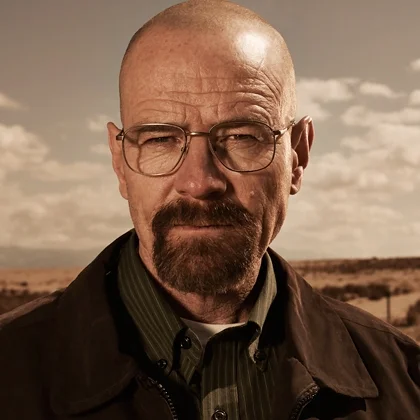
KWR Celebrity: Walter White (Breaking Bad)

In the breakout television series Breaking Bad, portrayed by actor Bryan Cranston, Walter “Walt” Hartwell White Sr., also known as “Heisenberg," was a chemist and a former chemistry teacher, who, after being diagnosed with inoperable lung cancer, started manufacturing crystal methamphetamine to both pay for his treatments and provide for his family in the event of his passing.
As huge fans of the show, this was an absolute blast of a profile to do. Walter White is the ultimate expression of the KWR MDNA. He embodies all the giftedness of this profile on one hand, while on the other, exemplified all the negative traits the KWR should learn to avoid.
First, let’s look at the positive. The KWR is known for the core competence of perfecting precision. This is what led to Walter White’s ability to create the most chemically pure and stable crystal meth that made him the most sought after “cook” to an international scale. (By no means are we saying perfecting the recipe for methamphetamine is ethically justified, but this is the positive potential the KWR is capable of.) As a KWR, he was also passionate about teaching and passing on his knowledge and wisdom. Also just like the KWR, he was full of facts and started with an unimposing demeanor and a quirky wit.
It’s the principle of responsibility where this character truly begins “breaking bad.” One of the greatest struggles for the KWR is the trap of selective responsibility. This is when the KWR is so accomplished in one area, such as intellectual achievement at work, that the KWR can be tempted to feel exempt from being holistically responsible in all other areas, such as family. But when it comes to Walter White, this is only the beginning.
Where a healthy KWR is highly disciplined, analytical and will use wisdom as a tool to help others, the unhealthy KWR can be highly selfish and use information as a tool for power and manipulation. Yes, while White was highly analytical and disciplined with his craft; he was a master manipulator, using lies and trickery to accomplish his goals. He also took a highly doctrinal, even religious approach, to cooking meth. He was legalistic to the core when it came to his lab. His intellectual vanity and ego got the best of him.
Ultimately, Walter White became a sociopath. This too can become an unfortunate reality extreme for the dysfunctional KWR.
It is interesting to note that as the show progressed, Walter White began to exhibit the negative aspects of the DLF (Dominion Leadership & Freedom) MDNA Profile. This slowly became his secondary profile as he learned DLF behaviours through his social circles and experiences in the underworld of drug trafficking. Nothing made this more evident when Walter White proclaimed, “I’m in the empire business,” during an intense moment with his partner Jesse.
Walter White, without a doubt, is one of the most fascinating characters to hit television. But he should be seen as a cautionary tale for every KWR. The KWR, in our real-world observation, has the capacity to win big or lose big because of their intellectual prowess. In fact, it is not uncommon for the KWR to admit fantasizing about committing the perfect crime. Combined with selective responsibility, this de-synchronization of purpose, passions and potential can become truly dangerous.
Thankfully, Breaking Bad is just a very popular television show. Men like “Heisenberg” don’t really exist right? (Let’s not answer that.)
Fictional characters also can have MDNA profiles. Typically every great character is based upon somebody in real life, except the persona and core traits are amplified. This makes learning the principles of their MDNA profile much easier and a valuable exercise. Not to mention it can be fun and entertaining.
Please note that these are unofficial profiles only and have not been verified. Description is only based upon public information and may represent either primary or secondary MDNA profiles. This profile is intended for educational purposes only to demonstrate the possibilities of MDNA for those that have been personally assessed.
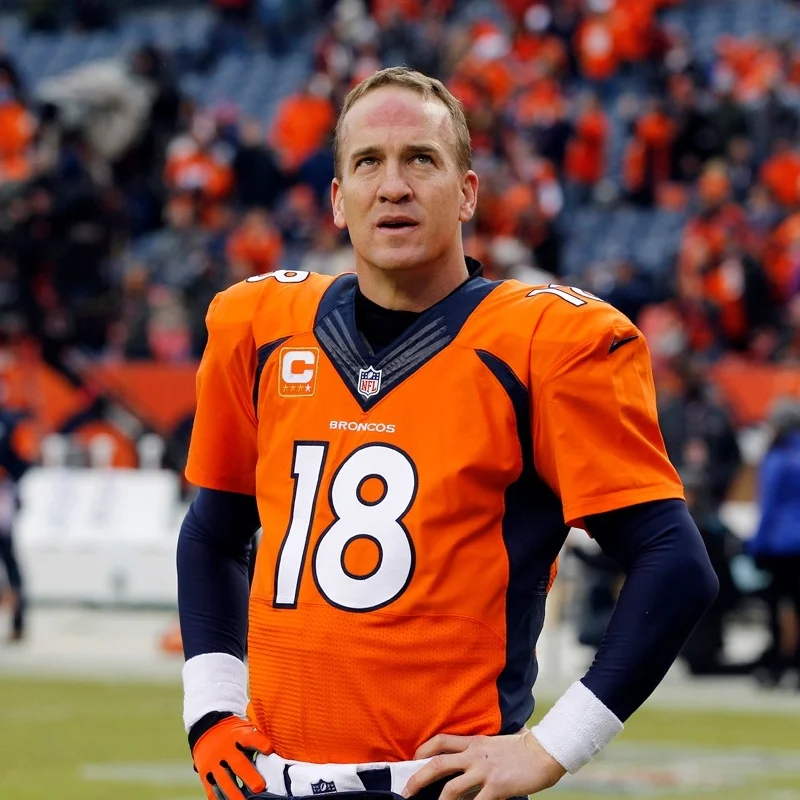
KWR Celebrity: Peyton Manning
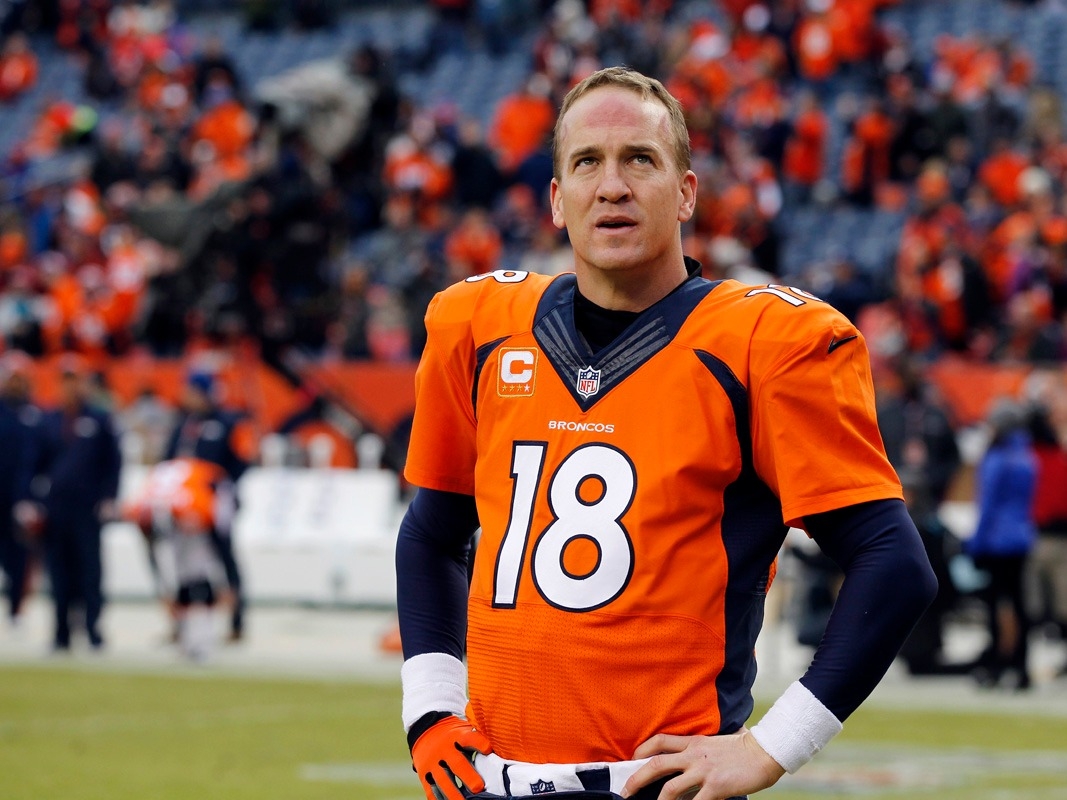
The core competence of the KWR is perfecting precision. Manning is a genius when it comes to football and has perfected his profession with such precision you cannot help but be in awe. Sure, he looks like the family doctor your parents love and not a football star. You could say he is a nerd. But this nerd has won a Superbowl which 99% of all jocks will never be able to claim.
Manning started deconstructing NFL games in high school. According to lore, a few days after the Indianapolis Colts made him the first pick of the 1998 draft, he had the team playbook memorized. This is the intrinsic motivations of a KWR.
He is also not shy about ensuring his team mates take responsibility for the team. He made his pee wee linemen block harder. Rookies have to meet him on the field at 8:00 am the day after they are drafted. Manning gives team mates pop quizzes about opponents just passing by in the locker room. And if you don’t know your stuff, watch out. He’s known to record voice notes late at night, after marathon sessions of watching film, to send to coaches to address in the morning. He demands perfection and precision, not just from himself, but from all around him. His mind is always going about football. He competes and leads like a KWR.
A KWR needs mental stimulation. Manning stimulates his brain at the highest level. The gridiron is his classroom and laboratory.
The KWR is also quirky and funny. Manning is no different. Many in the NFL can attest to his social quirks. He drives some people crazy and is often accused of having OCD. He also stars in the funniest commercials and has no problem with self-deprecation. He can be pretty dorky at times. Classic KWR.
Will Peyton Manning win another Superbowl in his potential last season? It would be great to see him ride off into the sunset. If he is in Superbowl 50, I’ll be rooting for him. (Unless he is playing the Vikings of course. I don’t care how legendary of a KWR you are in that case. Go Vikings!)
Please note that these are unofficial profiles only and have not been verified. Description is only based upon public information and may represent either primary or secondary MDNA profiles. This profile is intended for educational purposes only to demonstrate the possibilities of MDNA for those that have been personally assessed.
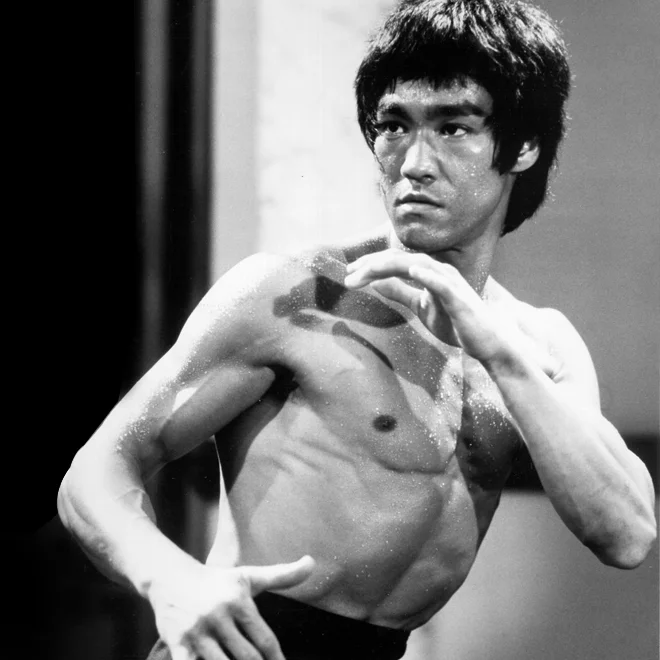
KWR Celebrity: Bruce Lee
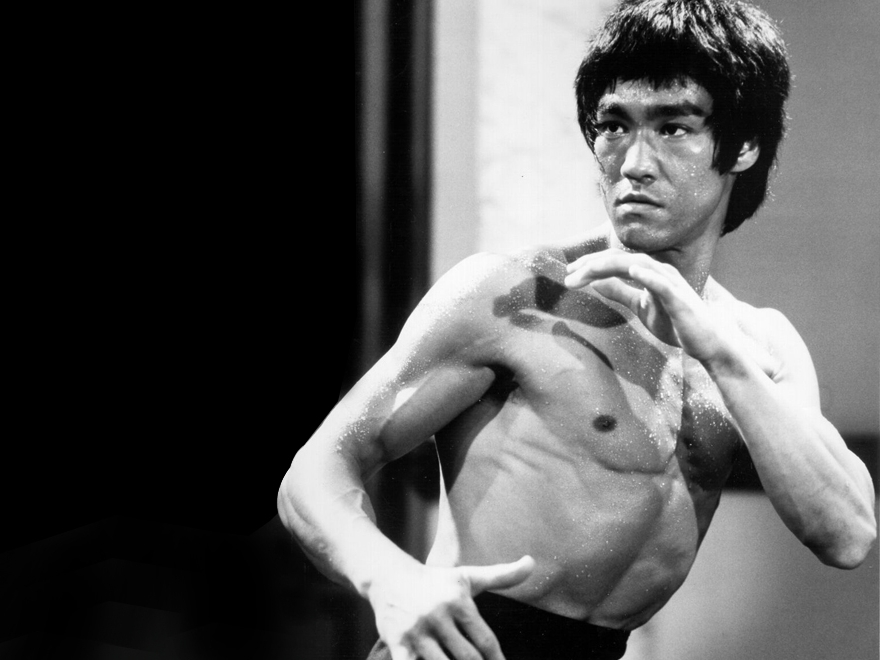
Bruce Lee was a Hong Kong American martial artist, film actor, martial arts instructor, filmmaker, and the founder of Jeet Kune Do. Lee is widely considered by commentators, critics, media and other martial artists to be one of the most influential martial artists of all time, and a pop culture icon of the 20th century. He is often credited with helping to change the way Asians were presented in American films.
Much like Muhammad Ali, it can be easy to see Bruce Lee being an actor as indication of an EIA (Empowering Inspiration & Attraction) primary MDNA Profile. But again, like Muhammad Ali, a deeper look into Lee’s history and success reveals a different story.
We have assessed Bruce Lee as a KWR. This is based upon the fact his greatest legacy was not his mark in the entertainment industry, but how he revolutionized his form of martial arts.
The KWR can be recognized by the need to validate theories and claims of truth. They are analytical and passionately focused on perfection of precision in all their endeavors. This is how Bruce Lee approached everything from learning English to dancing and “gung fu” (Lee always spelled his Chinese martial art as GUNG FU, which is the Cantonese pronunciation of the more commonly spelled Kung Fu, a Mandarin pronunciation—another sign of the KWR’s need for precision).
According to his foundation, when Lee first came to America, Bruce majored in philosophy. His passion for gung fu inspired a desire to delve into the philosophical underpinnings of the arts. Many of his written essays would relate philosophical principles to certain martial arts techniques. For instance, he wrote often about the principles of yin and yang and how they could translate into hard and soft physical movements.
A particular incident accelerated his process of self-exploration and KWR validation. In 1964 Bruce was challenged by some gung fu men who objected to his teaching of non-Chinese students. Bruce accepted the challenge. The terms were that if Bruce were defeated he would stop teaching the non Chinese. It was a short fight with his opponent giving up when Lee had him pinned to the floor after about three minutes. The significance of this fight was that Lee was extremely disappointed in his own performance. Even though he had won, he was winded and discouraged about his inability to put the man away in under three minutes. This marked a turning point for Bruce in his exploration of his martial art and the enhancement of his physical fitness. Thus began the evolution of Jeet Kune Do.
Bruce Lee’s teaching style also aligns with the KWR MDNA Profile. The KWR typically exhibits a warm sense of humor and makes learning very approachable. Such was Lee’s charisma as he is known for teaching conversationally, injecting humor into his comments while at the same time demonstrating his power, precision and speed for those he taught.
Without getting into the technical intricacies of Jeet Kune Do, Bruce Lee constantly analyzed and perfected his techniques, along with his own body. Although Lee tragically passed away before his first Hollywood blockbuster premiered in America, nobody can argue that his knowledge and wisdom has made an impact on martial artists around the world to this day.
Please note that these are unofficial profiles only and have not been verified. Description is only based upon public information and may represent either primary or secondary MDNA profiles. This profile is intended for educational purposes only to demonstrate the possibilities of MDNA for those that have been personally assessed.